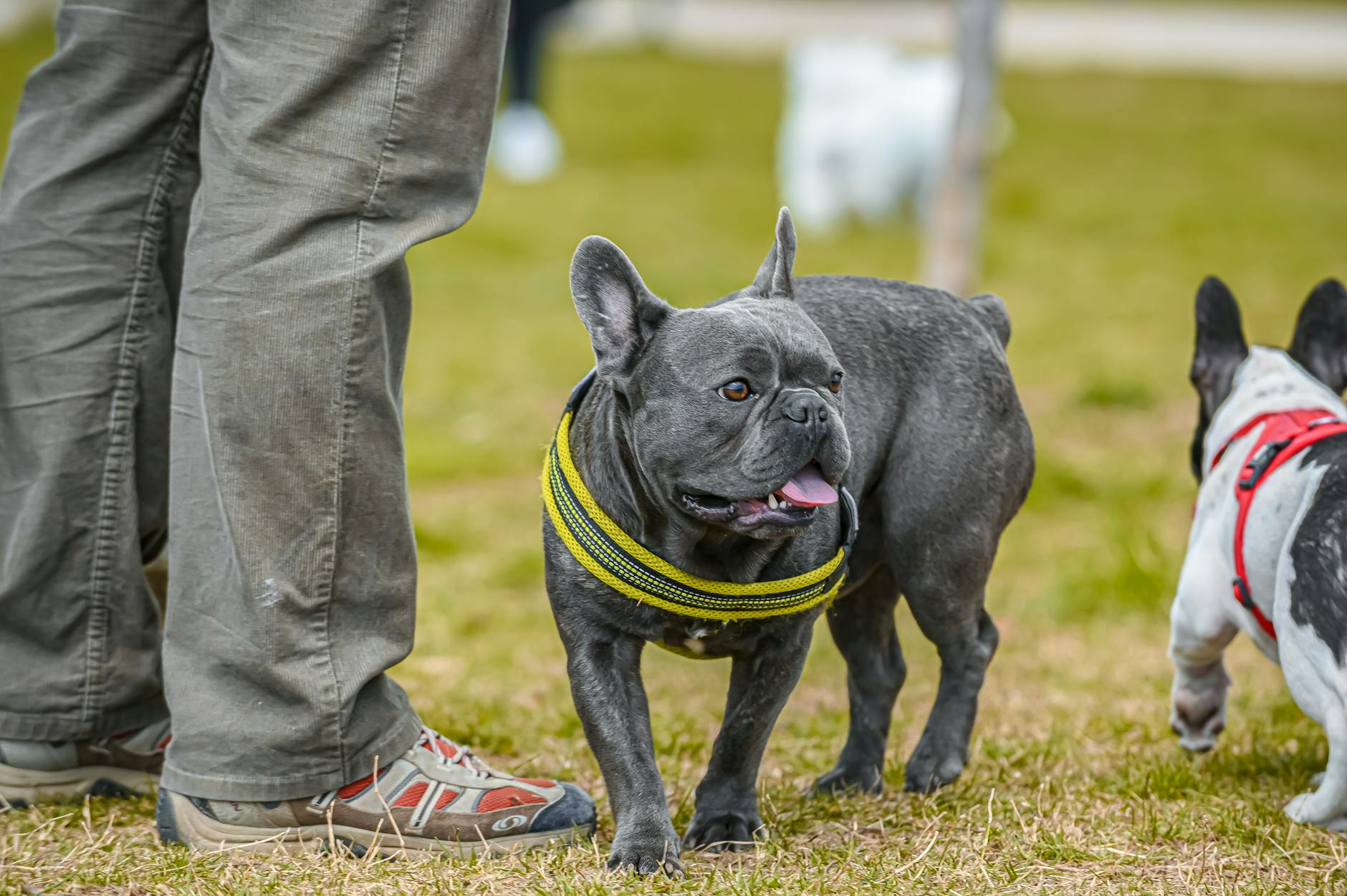
What Dog Care Really Means (And Why It’s More Than Just Walks)
You asked for the honest take on dog care, so here it’s: it’s way more than just throwing a ball around in the park. Sure, that’s the fun part, and it’s vital for bonding, but let’s be real—that’s only about 10% of the job. Dog care, in the professional sense, is a full-time operation. It means juggling their physical health, their mental state, their diet, and their entire environment all at once.
If you only focus on the fun stuff, you’re missing the critical, preventative work that keeps your dog healthy and happy for years. It’s a commitment, and honestly, it’s a huge amount of work. Most people approach dog ownership reactively. They wait until the dog starts whining about a belly ache or their coat looks dull, and then they rush to the vet. That approach is expensive, incredibly stressful for both you and the dog, and it usually means the problem’s already severe.
Smart owners, the ones who are truly invested, treat their dog’s health like maintaining a complex, high-performance machine. They understand that tiny maintenance tasks—like a quick teeth brush or an annual blood panel check—prevent catastrophic engine failure later on. We’re talking about health, not just damage control.
The Non-Negotiable Foundation: Preventive Vet Care
Where do I even begin? The absolute, foundational step of good care is the vet. You simply can’t skip the annual physical, even if your dog seems perfectly fine and bounces around like a maniac. During that visit, the vet isn’t just checking if they’re walking; they’re looking for subtle shifts—a slight change in coat quality, a barely noticeable limp, or a change in bathroom habits. Those small cues are often the very first signs of an underlying issue, like early kidney stress or the nascent stages of arthritis, and catching them early can mean the difference between a minor tweak and major, debilitating surgery.
Preventive medicine is the secret weapon of long-term pet ownership. We’re talking about annual parasite screenings, which sound boring but are absolutely critical. Fleas, ticks, and internal parasites like roundworms aren’t just annoying nuisances; they’re serious disease vectors. Most vets require a comprehensive parasite prevention plan, which usually involves monthly dosing. Depending on where you live and your dog’s risk profile—especially if you hike in wooded areas—the cost’s manageable. I’ve seen owners balk at the monthly cost, but honestly, that monthly preventative fee is a drop in the bucket compared to the cost of treating Lyme disease or a severe tick-borne infection. Budgeting $30 to $60 a month for high-quality prevention is a responsible financial choice.
“The biggest mistake owners make is thinking a routine visit is optional. A routine visit is an insurance policy against a crisis. It’s preventative medicine in action, and it’s the single most valuable thing you can do for their long-term quality of life.”
Fueling the Machine: Nutrition That Matters Deeply
Let’s talk food. This is where the marketing gets wildly aggressive, and it can be confusing. Every single brand promises the world, touting “superfoods” and “natural goodness.” But here’s what actually matters when you look past the fancy packaging: quality and complete balance. A diet packed with cheap fillers, refined grains, and questionable byproducts might look great on a shelf, but it simply won’t support the immense energy and complex immune system a dog needs to thrive.
The short answer? Look at the first three ingredients on the list. If they aren’t named a primary source of animal protein (like “chicken,” “beef,” “salmon,” or “lamb”), it’s probably not the best option. You’re paying for something, and you want that money to go toward muscle and health, not corn syrup and potato starch. You must tailor the food to the dog’s life stage and activity level. A senior dog needs different nutrient profiles than a growing puppy, and a highly active working dog needs far more caloric density than a couch potato.
My personal opinion? If you can afford it, skip the ultra-cheap kibble and invest in a high-quality, minimally processed food, whether that’s a premium wet food, a carefully formulated dry kibble from a reputable source, or a well-balanced raw diet. It’s worth the extra $15–$25 a bag, because the payoff is in longevity and vitality. You’re not just feeding them; you’re providing fuel for a complex biological system.
Grooming, Dental Health, and The Physical Basics
Many people think “grooming” means just brushing the fur and giving them a bath every now and then. While that’s part of the routine, dental care is arguably the most neglected, and frankly, the most dangerous, aspect of pet health. Don’t let the “just bad breath” stigma fool you. Dental disease isn’t localized; it’s systemic. Bacteria from tartar buildup don’t just sit in their mouth—they enter the bloodstream and can wreak havoc on the heart, kidneys, and liver. It’s a serious internal threat.
You need to be consistent with oral hygiene. Brushing your dog’s teeth several times a week is the ideal, gold-standard approach. But if your dog is a difficult patient and won’t cooperate, you absolutely must schedule professional dental cleanings under anesthesia every 1 to 2 years, depending on their breed and history. This procedure is non-negotiable for many dogs. Beyond teeth, let’s not forget coat care. Long-haired dogs need specific, often daily, brushing routines to prevent painful matting, which can pull on the skin, cause severe discomfort, and invite infections.
For a clear picture of the different maintenance needs, here’s a quick comparison:
| Care Component | Frequency (Ideal) | Primary Goal | Risk of Neglect |
|---|---|---|---|
| Dental Care (Pro-vet) | Bi-annually | Prevent systemic infection and organ damage | Kidney and Heart Disease |
| Parasite Control | Monthly | Prevent internal and external infection | Anemia, Tick-borne Illness |
| Physical Exercise | Daily (30-60 mins) | Maintain healthy weight and strong muscle tone | Obesity, Joint Stress, Behavioral Issues |
| Coat/Skin Care | Weekly/Bi-weekly | Prevent skin irritation and infection | Painful Matting, Dermatitis |
Beyond the Body: Addressing Mental Stimulation and Training
A healthy dog isn’t just physically fit; they’re mentally sharp. Most owners fall short here because they confuse physical exercise with mental engagement. A dog that’s bored, under-challenged, or anxious isn’t a well-adjusted dog. They might start digging up your prize-winning rose bushes, or they might start exhibiting separation anxiety when you leave the room. That’s not just “bad dog behavior”—that’s a clear signal of unmet psychological needs. You’ve got to address the root cause.
What most people miss is the sheer importance of enrichment. Enrichment isn’t just a walk around the block; it’s mental work. It’s about engaging their natural instincts. Think puzzle toys that make them ‘work’ for their dinner, scent work (like a simple hide-and-seek training session), and short, structured training sessions every single day. Training builds confidence in your dog and strengthens the fundamental bond between you. It gives them a job. Some dogs thrive on high-intensity physical activity (like herding breeds), while others are perfectly content with low-key, sniffing walks that engage their noses. You must match the activity to the personality, not the other way around. Trying to force a sensitive, sniffing dog into high-speed fetch will only lead to frustration for both of you.
When to Panic: Recognizing True Emergencies vs. Bad Days
Knowing the difference between a bad day and a true, life-threatening medical emergency is absolutely crucial for saving time—and lives. If your dog vomits once after eating something questionable, monitor it. A single, isolated instance usually clears up on its own. That’s a bad day, not a crisis. But sudden, dramatic changes demand immediate, decisive action. Don’t try to “wait it out” on these.
Signs of a true, urgent crisis include:
- Uncontrolled bleeding or signs of severe internal injury.
- Difficulty breathing (gasping, labored breathing, blue or pale gums).
- Severe, sudden lameness or inability to bear weight.
- Extreme lethargy, collapse, or unresponsiveness.
I’ve seen this go wrong more times than I can count—a small, seemingly manageable issue ignored for twelve hours escalates into a life-or-death emergency. Your vet or an emergency clinic is your first call. Always, always have your vet’s emergency line saved in your phone, and make sure you know the difference between your regular clinic and the 24-hour emergency facility near you.
The Financial Reality: What Responsible Care Actually Costs
Let’s get real about the money. Good dog care isn’t cheap, but neglecting it’s exponentially more expensive in the long run. People often budget diligently for cute toys and tasty treats but completely forget the ongoing maintenance costs. It’s easy to think of vet care as a single, huge bill, but it’s actually a series of predictable, manageable expenses.
Here’s a rough, generalized breakdown of what you can expect. Remember, costs vary wildly depending on your location, the size of your dog, and the quality of the services you choose. But this gives you a realistic ballpark figure:
- Routine Vet Visits:Expect $60–$120 per annual wellness check-up.
- Preventatives (Parasites/Vaccines):Budget $40–$70 monthly for comprehensive coverage.
- High-Quality Food:$50–$90 per month for a medium-sized dog, depending on the brand chosen.
- Dental Care (Pro-vet):Plan for $400–$800 every 1–2 years for deep cleaning.
If you factor in the potential cost of an emergency surgery—a broken leg, severe pancreatitis, or internal obstruction—which can easily run into thousands of dollars, you realize that investing in routine, preventative care is the single biggest financial safety net you can give your dog. It’s not an expense; it’s insurance.
Frequently asked questions
How often should I truly brush my dog?
If you’ve a short-haired dog, a quick once-a-week brush will do most of the heavy lifting. But if you’ve a long-haired or double-coated breed (think Huskies, Golden Retrievers, or German Shepherds), you need to brush daily. This prevents painful mats, reduces shedding volume dramatically, and helps you spot lumps or skin irritations long before they become major, painful issues that require veterinary intervention.
Is grain-free food always better for my dog?
Not necessarily. The “grain-free” trend is huge, but often, what manufacturers replace the grain with are cheaper, less digestible starches like potatoes or specific types of sweet potatoes. You need to be skeptical of marketing terms. Always read the ingredients list, look past the flashy claims, and focus instead on the source and quality of the protein. A balanced, whole-ingredient diet is always better than a trendy, grain-free diet if the ingredients themselves are low quality.
What’s the difference between house training and crate training?
They’re two different concepts that often work together. House training teaches the dog *where* they’re allowed to eliminate and establishes behavioral boundaries in the home. Crate training, when done correctly and used positively, is a behavioral tool that helps the dog understand boundaries and provides a safe, den-like space for them to relax, especially when you’re away. The crate isn’t a punishment tool; it’s a den, and it helps teach them to settle when they shouldn’t be actively needing to go out.
How long should I expect a typical vet visit to take?
For a standard wellness check, you should plan on spending about 30 to 45 minutes. This time includes the initial physical exam, the discussion about their diet or training, and the time for the vet to review their records and discuss any subtle changes you’ve noticed. If you’re bringing in a brand-new dog or if the vet suspects an underlying issue, expect the appointment to be longer, perhaps up to an hour, because they’ll need more time for thorough diagnostics.