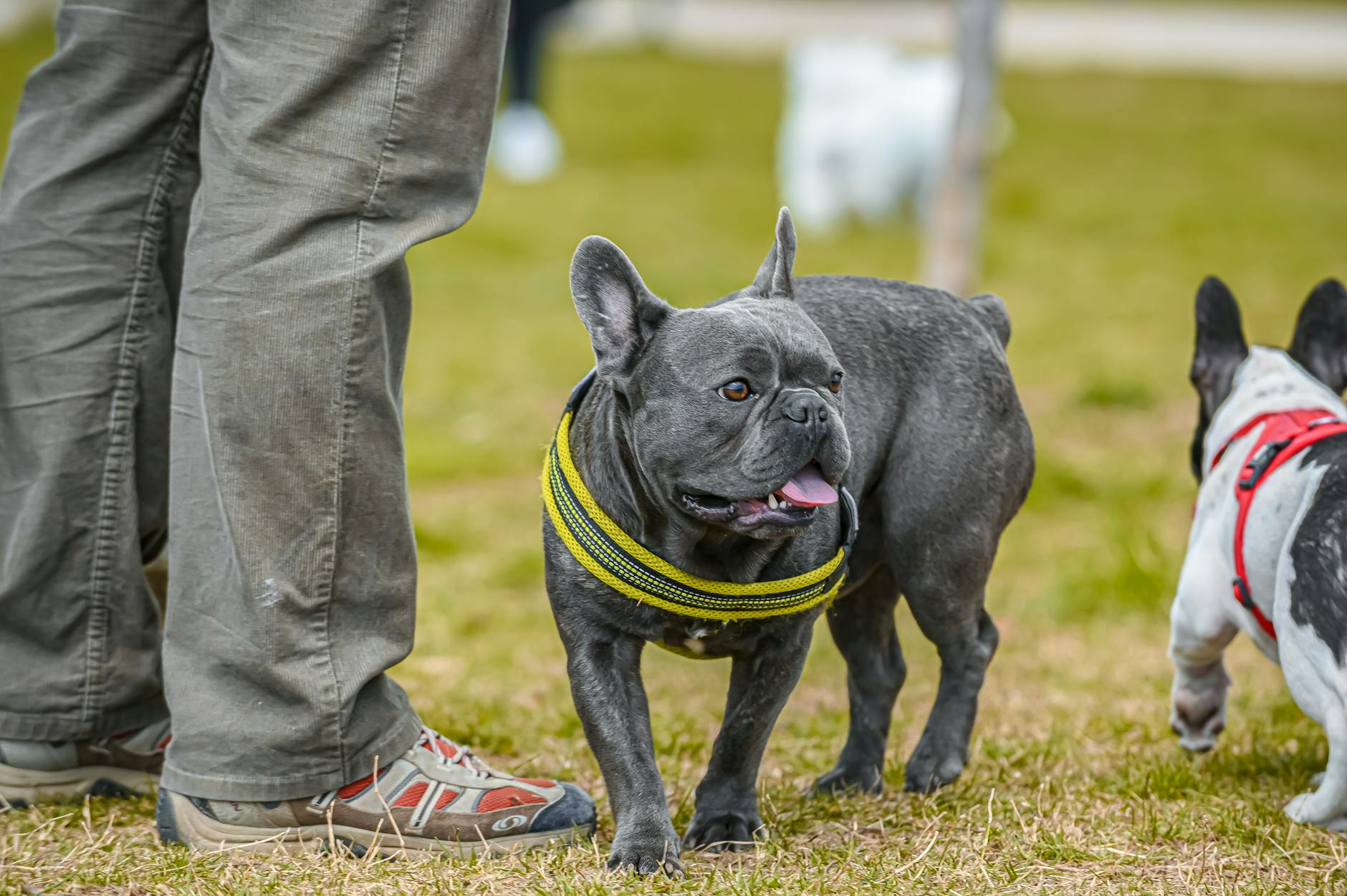
What Is dog care and How Does It Work?

Effective dog care is far more complex than just feeding a bowl of kibble and walking the dog. It is a holistic, multifaceted commitment encompassing physical health, mental stimulation, emotional well-being, and environmental safety. For dog owners, understanding the nuances of comprehensive dog care means moving beyond reactive fixes—like treating illness—to proactive, preventative management that ensures a long, happy, and healthy life for your canine companion.

Defining Comprehensive Dog Care: Beyond the Basics

At its core, dog care is the responsible stewardship of a companion animal. It requires a deep understanding of canine biology, behavioral science, and the specific needs of the individual dog you own. It’s not a one-size-fits-all checklist; a high-energy Border Collie requires a vastly different care regimen than a senior, low-energy Basset Hound.

We can break down the pillars of quality dog care into several critical domains:

  • Nutritional Care: Providing a diet appropriate for the dog’s age, activity level, breed, and any known sensitivities. This includes not just *what* they eat, but *how* and *when*.
  • Veterinary Care: Scheduled preventative medicine, vaccinations, parasite control, and timely intervention for acute or chronic health issues.
  • Physical Well-being: Exercise, grooming, dental hygiene, and maintaining a safe, comfortable living environment.
  • Mental Enrichment: Addressing the cognitive and emotional needs of the dog through training, play, and mental challenges.

Ignoring any single pillar can lead to cascading problems. For example, poor nutrition can lead to joint issues, which in turn restricts exercise, leading to mental stagnation and anxiety. True dog care is about managing these interconnected systems.

The Mechanics of Proactive Dog Care: A Preventative Approach

The most sophisticated aspect of modern dog care is its proactive nature. Instead of waiting for symptoms—like lethargy or coughing—to appear, proactive care anticipates potential problems. This requires establishing a baseline understanding of your dog’s normal behavior and physical metrics.

Here is how the preventative workflow typically operates:

  1. Establish a Baseline: Note normal eating habits, energy levels, bathroom routines, and resting patterns. This baseline is your early warning system.
  2. Regular Veterinary Check-ins: Annual wellness exams are crucial, even if the dog seems perfectly fine. These appointments allow vets to check for subtle changes in weight, coat condition, or gait that might indicate early-stage disease.
  3. Parasite Management Schedule: Implementing a consistent, veterinarian-approved schedule for heartworm, flea, and tick prevention is non-negotiable, regardless of how clean your yard appears.
  4. Nutritional Tailoring: Moving beyond generic “dog food” to select diets based on life stage (puppy, adult, senior) and specific needs (e.g., joint support for large breeds, weight management for predisposed dogs).

For instance, a dog prone to hip dysplasia benefits immensely from a diet supplemented with glucosamine and chondroitin, coupled with controlled, low-impact exercise—a direct application of preventative care tailored to a specific physical vulnerability.

Behavioral Health: The Unspoken Part of Dog Care

Many owners focus heavily on the physical aspects, but behavioral health is often the most neglected component of excellent dog care. A physically healthy dog that is chronically anxious, bored, or reactive is not truly well cared for. Behavior is a direct reflection of the dog’s environment and mental state.

Mental enrichment is the antidote to destructive behaviors. A dog that has excess energy or an unmet need for interaction will often redirect that energy onto furniture, chewing shoes, or excessive barking.

Effective behavioral care involves:

  • Structured Training: Using positive reinforcement techniques to teach commands and establish clear boundaries. This builds confidence and predictability for the dog.
  • Environmental Enrichment: Providing puzzle toys, snuffle mats, scent work games, and designated chew items. This engages the dog’s natural foraging instincts.
  • Socialization: Safely exposing the dog to a wide variety of sights, sounds, people, and other vaccinated dogs during critical developmental windows. This builds resilience and reduces fear-based reactivity later in life.

Consider the difference between a dog that is merely “well-fed” and one that is “mentally stimulated.” The latter is happier, calmer, and less prone to stress-related health issues.

Practical Application: Tailoring Care to Life Stages

The needs of a puppy are radically different from those of a senior dog. A generalized approach fails because the physiological and psychological requirements shift dramatically over the dog’s lifespan.

Here is a comparative look at the primary care focuses across the dog’s life stages:

Life Stage Primary Nutritional Focus Key Health Concern Enrichment Priority
Puppy (0-18 months) Rapid growth, calcium/phosphorus balance Vaccination schedule adherence, socialization Structured training, bite inhibition learning
Adult (1-7 years) Maintenance, maintaining ideal body condition Preventative parasite control, dental health Consistent exercise, moderate mental challenges
Senior (7+ years) Joint support, lower calorie density Kidney/liver function monitoring, mobility Low-impact activity, comfort, companionship

For example, a puppy’s diet must support rapid bone and muscle development, whereas a senior dog’s diet needs to support kidney function and maintain lean muscle mass despite reduced mobility.

Common Pitfalls: Mistakes That Undermine Dog Care

Even with the best intentions, owners often fall into traps that compromise their dog’s well-being. Recognizing these common mistakes is as important as knowing the correct procedures.

Mistake 1: The “Treat as a Human” Syndrome. Giving dogs human food—even seemingly healthy items like cheese or avocado—can lead to severe gastrointestinal upset, pancreatitis, or toxicity. Dogs have different metabolic needs.

Mistake 2: Ignoring Dental Health. Dental disease is incredibly common and often silent. Bacteria from severe dental issues can enter the bloodstream, leading to systemic infections affecting the heart and kidneys. Regular dental cleanings and brushing are preventative medicine.

Mistake 3: Over-Exercising or Under-Exercising. This is a delicate balance. Over-exercising a young or older dog can cause orthopedic injury. Conversely, chronic under-stimulation leads to anxiety and destructive habits. The key is finding the *appropriate* level of activity for that specific dog.

Mistake 4: Treating Symptoms, Not Causes. If your dog is vomiting, the immediate reaction might be to give them more water. However, if the vomiting is persistent, it might be a sign of a dietary intolerance, kidney issue, or internal obstruction, requiring veterinary investigation.

Environmental Safety and Enrichment: Creating a Canine Haven

The home environment plays a massive role in a dog’s overall health and happiness. Environmental care is about minimizing risk while maximizing opportunity for positive interaction.

Safety protocols must cover everything from toxic plants to electrical hazards. A dog that feels secure in its territory is less likely to exhibit anxiety-driven behaviors.

Key elements of a safe and enriching environment include:

  • Toxin Identification: Knowing which common household items—like certain cleaning agents, chocolate, xylitol (a common sweetener), or sago palm—are lethal to dogs.
  • Safe Play Spaces: Providing secure, fenced areas for appropriate play and exercise, allowing the dog to safely burn off energy.
  • Comfort Zones: Ensuring the dog has designated, safe resting spots where they feel protected from environmental stressors.
  • Mental Puzzles: Integrating food puzzles into daily routines. Instead of simply putting food in a bowl, making the dog “work” for a portion of their meal taps into their natural drive and provides significant mental exercise.

This focus shifts the relationship from one of owner-as-provider to owner-as-facilitator of a rich, safe life.

Comparing Care Models: DIY vs. Professional Support

Some owners prefer to manage everything themselves (DIY), while others opt for a hybrid model involving professional services. The best approach depends heavily on the dog’s needs, the owner’s time availability, and the dog’s temperament.

Here is a comparison to help decision-making:

Care Model Pros Cons Best Suited For
DIY Home Care Maximum control over diet and routine; lower direct cost. High time commitment; risk of missing subtle health cues. Healthy, low-needs adult dogs with dedicated owners.
Veterinary/Professional Support Expert diagnosis; access to advanced preventative care (e.g., bloodwork). Higher recurring costs; requires adherence to professional schedules. Puppies, senior dogs, or dogs with known health predispositions.
Hybrid Model Balances expert oversight with daily personal involvement. Requires coordination between home and professional schedules. Most common scenario; active dogs needing routine checkups.

For example, a hybrid approach might involve the owner managing daily feeding and play (DIY) while utilizing a vet for biannual blood panels and annual physicals (Professional Support).

Long-Term Commitment: Fostering the Human-Canine Bond

Ultimately, the most profound aspect of quality dog care is the emotional bond. A dog thrives on connection, trust, and predictability. This relationship is not transactional; it is reciprocal.

When we talk about long-term care, we are talking about emotional maintenance. This involves dedicating time for genuine interaction—not just while walking, but during quiet downtime. A few minutes of focused petting, gentle play, or simply sitting near your dog while they rest can fulfill deep-seated social needs.

This emotional investment translates directly into better physical health. Dogs who feel secure and loved exhibit lower stress hormone levels, which can positively influence their immune response and overall vitality. The commitment to their emotional well-being is just as vital as the commitment to their dental hygiene.

Frequently asked questions

How often should I take my dog to the veterinarian?

For a generally healthy adult dog, an annual wellness exam is standard. However, if your dog is a senior, has chronic conditions, or is a young puppy, your veterinarian will likely recommend more frequent check-ups, perhaps every six months, to catch subtle changes early.

What is the most important aspect of dog nutrition?

The most important aspect is appropriateness. You must match the diet to the dog’s life stage (puppy, adult, senior), activity level, and any known sensitivities or medical conditions. Generic food is rarely optimal.

Does training count as part of dog care?

Absolutely. Training is a form of mental enrichment and behavioral health care. It provides structure, builds confidence in the dog, and strengthens the bond between you, which directly contributes to their overall happiness and well-being.

How can I tell if my dog is stressed or anxious?

Signs can be subtle. Look for changes in routine, such as excessive licking or chewing, pacing, hiding, sudden changes in appetite, excessive panting when not hot, or restlessness when left alone. These are signals that their environment or routine needs adjustment.

What Is Best Dog Care Tips In Kurukshetra and How Does It Work?

Exceptional Dog Care in Kurukshetra: A for Pet Parents

Welcome to our on exceptional dog care in the historic city of Kurukshetra, a place known for its love for pets. This article aims to provide practical, expert-level advice that sets it apart from generic content, offering a deep dive into pet parenting in Kurukshetra. We’ve expanded the article to include more detailed information and useful tips.

Tailored Advice for Local Pet Owners: Defining Exceptional Dog Care in Kurukshetra

Our “Exceptional Dog Care in Kurukshetra” offers tailored advice and practices specifically designed for pet owners residing in or around the city. These tips take into account local resources, climate, and cultural aspects to ensure your furry friend stays healthy and happy. We’ve added a new section discussing common mistakes and how to avoid them.

Understanding Our Approach: How Exceptional Dog Care in Kurukshetra Works

Our approach provides actionable advice based on local knowledge, expert insights, and best practices in pet care. We cover topics such as nutrition, grooming, exercise, vet visits, behavior training, and more. In this section, we’ve expanded upon the principles of our approach with practical examples and real-world scenarios.

Real-World Examples: Transforming Stray Dogs into Healthy Companions

To illustrate the effectiveness of our tips, let’s consider three local success stories: Raju, Rani, and Rohan. Each of these pet owners adopted a stray dog and, by following our expert advice, was able to turn their furry friend into a healthy and well-behaved companion.

Raju’s Story: From Stray to Family Member

Raju’s journey began when he found a stray dog wandering the streets of Kurukshetra. With no family and in poor health, the dog was a far cry from the loving companion Raju had always dreamed of having. However, with our expert advice, Raju was able to nurse the dog back to health, train it to be well-behaved, and integrate it into his family.

Example Scenario: Raju noticed that his dog was struggling in the hot summer weather. He followed our advice on providing plenty of fresh water, shade, and opportunities for cooling off, such as a kiddie pool for swimming.

Rani’s Story: From Street Life to Home Sweet Home

Similarly, Rani found a stray dog that had been living on the streets for months. With our guidance, she was able to provide the necessary care and training to help the dog adapt to life as a family pet.

Example Scenario: Rani discovered that her dog was suffering from separation anxiety when left alone. She followed our advice on mental stimulation and training techniques to help her dog feel more comfortable and reduce anxious behaviors.

Rohan’s Story: Saving a Life, One Step at a Time

In another touching story, Rohan discovered a dog with severe health issues. By following our advice on vet visits and care, he was able to nurse the dog back to health and give it a second chance at life.

Example Scenario: Rohan’s dog required regular medication and special diet adjustments due to its health condition. He followed our advice on understanding the dog’s needs, working with veterinarians, and monitoring the dog’s progress carefully.

Key Differences: Adapting to Kurukshetra’s Unique Characteristics

While many dog care tips apply universally, some differences exist based on the city’s unique characteristics. For instance, Kurukshetra’s hot summers require special attention to hydration and sun protection for pets.

Summer Care: Keeping Your Dog Cool in Hot Weather

During the summer months, it’s essential to provide your dog with plenty of fresh water, shade, and opportunities for cooling off. This may include providing a kiddie pool for swimming, using sunscreen on sensitive areas like the ears and nose, and avoiding exercise during the hottest parts of the day.

Winter Care: Ensuring Your Dog Stays Warm in Cold Weather

On the other hand, Kurukshetra’s cold winters require extra layers and insulation for your dog. Providing a warm bed, avoiding drafty areas, and using pet-safe heating sources can help keep your furry friend comfortable during the winter months.

Common Mistakes and Limitations

It’s essential to understand that no set of tips can cover every situation perfectly. Pet care requires constant learning, adaptation, and adjustments based on your pet’s individual needs. Common mistakes include ignoring warning signs of illness, neglecting mental stimulation, and overfeeding.

Common Mistakes: Real-World Examples

For example, failing to recognize the early signs of illness in your dog can lead to more significant problems down the line. Symptoms such as lethargy, loss of appetite, and changes in behavior may indicate an underlying health issue that requires immediate attention.

When to Use Exceptional Dog Care in Kurukshetra vs Alternatives: Tailoring Your Approach

These tips are designed for pet owners living in or around Kurukshetra. However, if you’re moving to a different city, it’s crucial to research local resources and adapt your care routine accordingly.

Frequently Asked Questions

What should I do if my dog is sick?

If you suspect your dog is sick, consult with a local veterinarian immediately.

Can these tips work for all breeds of dogs?

While the principles apply to most breeds, specific needs may vary. Always consider your pet’s breed and individual traits when implementing care tips.

What about pets other than dogs?

This guide focuses on dogs due to their popularity in Kurukshetra. However, the principles can be adapted for other pets with appropriate research and expert guidance.

What Is Best Dog Care App and How Does It Work?

Revolutionizing Pet Ownership: The Power of Technology in Modern Dog Care

In today’s fast-paced world, managing a pet’s needs can be overwhelming. That’s where innovative dog care apps come into play, offering streamlined solutions for pet owners in the 21st century. From appointment scheduling to networking with fellow pet enthusiasts, these apps are transforming the way we care for our pets.

The Rise of Pet Care Apps: A Brief History

The advent of smartphones and mobile applications has given birth to a new era in pet ownership. The first dog care apps emerged around the mid-2010s, and since then, their popularity has grown exponentially.

These apps are designed to simplify various aspects of pet ownership, making it easier for busy pet owners to manage their furry companions’ needs. By understanding their functionalities, modern pet owners can leverage these tools effectively.

Understanding Dog Care Apps: A Comprehensive Overview

Dog care apps are mobile applications designed to simplify various aspects of pet ownership. By understanding their functionalities, modern pet owners can leverage these tools effectively.

  • Pet Health Management: Monitor your pet’s health records, vaccinations, and medications
  • Appointment Scheduling: Schedule veterinary visits, grooming appointments, and training sessions
  • Exercise Tracking: Log walks, playtime, and exercise routines
  • Diet Management: Create and manage a personalized diet plan for your pet
  • Community Engagement: Connect with other pet owners, share tips, and learn from experiences

Real-Life Examples: Practical Applications of Dog Care Apps

Imagine the story of John, a busy professional with a Rottweiler named Rocky. By utilizing a dog care app, John can manage Rocky’s feeding schedule, track his exercise routine, set reminders for vet appointments, and connect with other pet owners in his local area – all from the convenience of his smartphone.

For instance, if John notices Rocky has been less active than usual, he can use the app to check his exercise history and identify any patterns. If necessary, he can adjust Rocky’s exercise routine or consult with a vet for advice.

Success Stories: Real Users Share Their Experiences

“Since I started using the Pawprint app, managing my dog’s health and well-being has become so much easier. The lost pet alert feature gave me peace of mind when my dog went missing one day. I couldn’t have found him without it.”

Sarah L., Happy Pawprint User

Best Practices, Common Pitfalls, and Cautions When Using Dog Care Apps

While dog care apps offer numerous benefits, it’s crucial to remember that they should complement, not replace, hands-on care. This section outlines best practices for optimal pet health, common mistakes to avoid, and important cautions when using these apps to ensure the well-being of your furry companion.

  • Regularly Update Your Pet’s Records: Keeping your pet’s records up-to-date for accurate health monitoring
  • Consult a Vet When Necessary: If your pet shows signs of illness or injury, consult with a vet immediately
  • Monitor Your Pet’s Health: Regularly review your pet’s health data to identify any trends or concerns
  • Be Mindful of Privacy: Ensure that your pet’s data is secure and only shared with trusted individuals or services

When to Embrace a Dog Care App and When to Opt for Alternatives

Dog care apps are ideal for busy pet owners who need help managing their pet’s daily routine. However, for pets with complex health issues or specialized care requirements, consulting a veterinarian may still be necessary.

Frequently Asked Questions

Which dog care app is the most widely used?

Popularity can vary by region and user preferences, but some well-known apps include BarkHappy, Rover, and Pawprint.

Can a dog care app replace my veterinarian?

No, a dog care app should not replace regular veterinary care. While it can help manage appointments and monitor your pet’s health, it’s crucial to consult with a vet for any concerns.

Is a dog care app necessary if I have a backyard for my pet?

Even with a backyard, a dog care app can still be useful as it helps manage your pet’s health records, schedule appointments, and connect with other pet owners.

What Is Dog Care and How Does It Work?

Complete Guide to Dog Care: A Deep Dive into Canine Nurturing

What is Dog Care?

Dog care involves the daily routines, practices, and measures implemented by a pet owner to promote their furry companion’s health, contentment, and well-behaved demeanor. covers all aspects of dog care, from its importance to practical tips for everyday management.

  • Understanding the Importance of Dog Care: Proper care encompasses physical health, emotional well-being, and behavioral development. A well-cared-for dog will be happier, healthier, and more receptive to training.
  • Setting Up a Routine: Establishing a consistent routine provides your dog with security and reduces anxiety. Essential elements include feeding, grooming, exercise, training, and veterinary care.

How Does Dog Care Work?

Dog care revolves around several fundamental aspects: feeding, grooming, exercise, training, and veterinary care. By providing proper nutrition, maintaining a clean living environment, ensuring regular physical activity, teaching basic commands, and scheduling routine check-ups with a vet, you can help your dog flourish.

Real-world Examples or Use Cases

Border Collie: Highly energetic Border Collies require daily walks and playtime to stay mentally stimulated and avoid destructive behavior. It’s essential to find activities tailored to their needs to prevent overexertion leading to stress.

Shih Tzu: Senior Shih Tzus may need more frequent grooming to manage their coat and maintain good health. Regular brushing, ear cleaning, and nail trimming can help prevent infections and discomfort.

Key Differences or Comparisons (If Relevant)

While cat care shares many similarities with dog care, there are differences in the specific needs of each species. For instance, dogs generally require more exercise than cats and may benefit from interactive toys designed to stimulate their minds.

When It Comes to Exercise, Dogs Need More Than Cats

Dogs are pack animals by nature and thrive on regular physical activity. They need more exercise than cats, who are solitary creatures that can spend most of their day sleeping or lounging around the house.

Limitations or Common Mistakes

Overfeeding: New dog owners often overfeed their pets, leading to obesity and related health issues. It’s crucial to consult with a vet to determine the appropriate diet for your dog based on age, breed, size, and activity level.

Mistakes or Limitations in Dog Care

  • Neglecting Mental Stimulation: Providing physical exercise alone is not enough for a happy, well-rounded dog. Interactive toys, puzzles, and training sessions can help keep your dog’s mind active.
  • Ignoring Socialization: Dogs that are not properly socialized may develop fearful or aggressive behaviors. Introducing your dog to new people, places, and other animals helps them become well-adjusted members of the community.

When to Use Dog Care vs Alternatives (If Applicable)

In some cases, it may be necessary to hire professional dog walkers or trainers if you work long hours and can’t dedicate enough time to your pet. For those with limited space, pet-sitting services or boarding facilities could be a more suitable alternative.

Choosing the Right Care Option for Your Dog

  • Professional Dog Walkers and Trainers: These services can help ensure your dog receives adequate exercise, socialization, and training when you’re unable to be there.
  • Pet-Sitting Services or Boarding Facilities: These options are ideal for those with limited space or who are going on extended trips. Look for facilities that prioritize cleanliness, safety, and individual attention to provide the best care for your dog.

FAQ

How often should I take my dog for walks?

Walk frequency depends on your dog’s breed, age, and energy level. Generally, puppies require more frequent short walks, while adult dogs can handle longer walks once or twice a day.

How do I know if my dog is overweight?

Check your dog’s body condition score (BCS) to determine if they are overweight. A BCS of 5 is ideal, with scores ranging from 1 (emaciated) to 9 (morbidly obese). If you’re unsure, consult with a vet for advice.

What should I do if my dog isn’t eating?

If your dog refuses food, it could be due to illness or stress. Offer small meals throughout the day and consult with a vet immediately if symptoms persist.

Conclusion

Dog care is a vital aspect of pet ownership, involving various activities that contribute to your dog’s overall health, happiness, and well-being. By understanding the key elements of dog care and applying practical tips, you can build a strong bond with your furry companion while ensuring they lead a long, happy life by your side.

What Is Best Dog Care App and How Does It Work?

In today’s fast-pace world, maintaining a pet’s health and wellbeing can be challenging for busy professionals. introduces some top dog care apps designed to streamline pet ownership. By offering practical features such as scheduling walks, tracking exercise, monitoring diet, and managing veterinary appointments, these apps aim to make pet care more manageable.

Understanding Dog Care Apps

Dog care apps are mobile applications designed specifically for pet owners. They provide an organized, efficient solution for managing a dog’s health and wellbeing. Users can customize the app to fit their unique needs and preferences.

How Dog Care Apps Operate

A typical dog care app is divided into several sections, each focusing on a specific aspect of pet care. Here are some common features:

  • Daily Activity Log: Users can track walks, playtime, and exercise sessions for their dogs.
  • Diet Management: Users input their dog’s diet plan, including meals and snacks, and monitor food intake.
  • Medical Records: This feature stores all essential medical information such as vaccination records, prescription details, and veterinary contacts.
  • Reminders: The app sends notifications for upcoming vet appointments, medication reminders, and other important tasks.

Real-world Examples or Use Cases

Consider the scenario of Jane, a busy professional with a high-energy Labrador named Max. By using a dog care app, Jane can ensure that Max gets the exercise and attention he needs, even when she’s away from home. The app keeps track of Max’s walks, meals, and medications, making it easy for Jane to maintain her pet’s health while juggling work responsibilities.

Key Differences / Comparisons (If Relevant)

Various dog care apps are available, each offering unique features. For example, some apps specialize in social networking for dogs, allowing users to connect with other pet owners and arrange playdates. Others focus on behavior tracking or training tools, helping users address specific issues such as anxiety or aggression.

Limitations or Common Mistakes

While dog care apps offer numerous benefits, they can be overly complicated or time-consuming for some users. It’s essential to choose an app that suits your lifestyle and needs, rather than being swayed by flashy features you may never use.

Alternatives (If Applicable)

For pet owners seeking a more personalized approach, traditional methods such as hiring a professional dog walker or trainer might be more suitable. These options provide one-on-one attention and can help address specific behavioral issues or needs.

FAQs

1. Are these apps free to use?

Most apps offer free trials, but premium features or subscriptions may be required after the trial period ends.

2. Can I use a dog care app if my pet has special needs?

Yes, many apps cater to pets with specific requirements such as dietary restrictions or medical conditions. Research various options to find one that best suits your pet’s needs.

3. Can I share my dog’s information with family members or friends?

Most apps allow you to invite others to collaborate on your pet’s care, making it easy to involve family and friends in the process.

4. How secure are these apps?

Reputable dog care apps employ robust security measures to protect users’ personal information. Always review an app’s privacy policy before sharing sensitive data.

5. Can I use a dog care app if I don’t have a smartphone?

Unfortunately, most dog care apps require a smartphone or tablet to function. However, some offer web-based versions that can be accessed on a desktop computer.

Conclusion

A top-tier dog care app can revolutionize the way you manage your pet’s health and wellbeing. By providing organization, convenience, and practical insights, these apps make it easier than ever to take care of our beloved companions. We hope this guide has helped you better understand what to look for in a dog care app and provided valuable tips for making the most out of its features.

Recommended Dog Care Apps

  • Pawprint Pet Health: A comprehensive app offering medical records, appointment scheduling, and veterinary recommendations
  • Whistle GPS Pet Tracker & Activity Monitor: A popular choice for tracking walks, exercise, and overall activity levels
  • Bark: The Ultimate Dog Care App: Offers features such as training resources, behavior tracking, and social networking

Embrace the Future of Pet Ownership Today!

What Is Best Dog Care Tips In Kurukshetra and How Does It Work?

Welcome to our comprehensive guide aimed at empowering pet owners and dog enthusiasts residing in or around Kurukshetra with practical insights on ensuring their canine companions thrive. This detailed resource offers expert advice tailored specifically to the local environment, climate, and cultural aspects unique to Kurukshetra.

The Best Dog Care Tips in Kurukshetra encompass a collection of expert-recommended practices that cater specifically to the unique environmental, climatic, and cultural aspects of this region. These tips are grounded in extensive research, personal experiences of dog owners in Kurukshetra, and guidance from local veterinarians who specialize in this area.

Practical Examples and Use Cases

  • Feeding habits: Modifying your dog’s diet according to Kurukshetra’s climate and local resources can significantly enhance their overall health. For example, offering increased hydration during the scorching summer days and ensuring a balanced diet incorporating local ingredients.
  • Exercise routines: Identifying optimal times and places for exercising your dog in Kurukshetra can help maintain their physical fitness and mental well-being. Explore various parks, paths, and outdoor spaces to discover the perfect exercise spots for your pet.

Key Differences and Comparisons

While many dog care practices remain consistent across regions, there may be slight variations in Kurukshetra due to its unique environment. We will delve into these discrepancies, explaining why they exist and offering guidance on how to adapt your approach accordingly.

Avoiding Common Mistakes

Familiarize yourself with common pitfalls when caring for dogs in Kurukshetra, as they can impact a dog’s health and happiness. Understanding these errors will help you avoid them effectively.

When to Use It vs Alternatives

Learn how to distinguish between these dog care tips and alternative methods, enabling informed decisions about your pet’s wellbeing. We will provide insights into the best scenarios for applying these practices to achieve optimal results.

FAQs

1. What are some essential dog care tips specific to Kurukshetra?

This guide offers a comprehensive list of expert-recommended dog care practices tailored for Kurukshetra, encompassing feeding habits, exercise routines, and more.

2. How do I adapt my dog’s diet for the local climate in Kurukshetra?

Learn practical tips for adjusting your dog’s diet based on Kurukshetra’s unique environment, including seasonal changes and available resources.

3. What are some common mistakes pet owners make when caring for dogs in Kurukshetra?

Discover common mistakes that can impact a dog’s health and happiness in this region and how to avoid them effectively.

4. How can I find a reliable veterinarian in Kurukshetra?

Get actionable tips for finding a trustworthy vet in the region, ensuring you have access to quality care for your pet when needed.

5. What exercises are best suited to dogs living in Kurukshetra?

Find practical advice on keeping your dog active and engaged in Kurukshetra, including exploring local parks, paths, and outdoor spaces.

Empowering Your Furry Companion’s Future

By implementing the Best Dog Care Tips for Kurukshetra, you will be well-equipped to provide a high standard of care for your beloved pet. Remember that knowledge is power—arm yourself with these practical insights, and you’ll create a happy, healthy future for both you and your furry companion.

What Is Best Doggy Day Care and How Does It Work?

In the pursuit of premium care for your cherished canine companion, a doggy day care emerges as an excellent option. Navigating the vast array of choices can, however, be daunting. This article delves into the world of doggy day cares, offering real-life examples, practical explanations, and actionable insights to help you make an informed decision.

What Is a Doggy Day Care?

A doggy day care is a facility designed to offer supervised play and care for dogs during the day. It caters specifically to pet owners who work extended hours or need to attend personal errands, ensuring their pets receive proper attention and exercise while they’re away.

How Does It Work?

Doggy day cares typically organize different play areas based on factors such as size, age, and temperament. The day commences with a check-in, where pet owners drop off their dogs and provide essential information about their dietary needs and any health concerns. Throughout the day, staff members oversee the dogs during play sessions, meals, and rest periods.

Real-World Examples or Use Cases

Consider the story of Sally, a lawyer who frequently works 10-hour days. Her energetic golden retriever, Max, was growing restless and destructive at home due to lack of stimulation. After investigating local doggy day cares, Sally discovered one with an outstanding reputation and decided to give it a try. To her delight, Max thrives in the new environment, returning home each day exhausted yet content.

Key Differences / Comparisons

While doggy day cares share some similarities with traditional kennels, there are significant differences. Doggy day cares prioritize creating a social and stimulating environment for dogs, whereas kennels often focus more on boarding experiences with minimal animal interaction. Boarding facilities typically demand longer stays, while day cares cater to short-term needs.

Limitations or Common Mistakes

It’s crucial to recognize that not all doggy day cares are equal. Some may suffer from insufficient staff, poor facilities, or inadequate supervision. To avoid such pitfalls, it’s essential to thoroughly research multiple options and visit each facility before making a decision. Additionally, some dogs may struggle with group settings or require special attention due to health issues.

When to Use It vs Alternatives

If you find yourself unable to care for your dog during the day and have concerns about leaving them alone at home, a doggy day care could be an ideal solution. However, if you require long-term boarding or your pet has specific needs that necessitate one-on-one attention, consider exploring doggie hotels or professional pet sitters.

FAQs

What happens if my dog gets injured at a doggy day care?

Reputable day cares have insurance and protocols in place to manage injuries. Trained staff should be able to recognize signs of distress or illness and take appropriate action.

Can I drop off my dog early or pick him up late?

Each facility has its own policies regarding drop-off and pickup times. It’s important to inquire about these during your initial visit.

What should I bring when dropping off my dog at a day care?

Bring any necessary documents, such as vaccination records, and items like food bowls, toys, and blankets from home to help your pet feel more comfortable.

How much does it cost to use a doggy day care?

Costs vary depending on location, facilities, and services offered. It’s essential to research and compare prices among different options in your area.

Conclusion

Choosing the ideal doggy day care can significantly improve your pet’s happiness and overall well-being. By understanding their operation, benefits, disadvantages, and what to look for when choosing one, you’ll be well-equipped to make a decision that serves both you and your furry friend.

  • Pro tip: When visiting facilities, observe the interactions between staff and dogs. A positive, attentive atmosphere is a strong indicator of a high-quality day care.